I. Introduction
Embarking on a global culinary journey is more than just a feast for the taste buds; it’s a passport to diverse cultures and traditions. As we delve into the world of global cuisines, we uncover a tapestry of flavors and stories that connect us on a universal level. Let’s explore the wonders of culinary exploration and how it can transform your dining experience.
A. Definition of a Global Culinary Journey
A global culinary journey involves immersing oneself in the rich tapestry of world cuisines. It goes beyond trying different dishes; it’s about understanding the cultural significance behind each bite. It’s a journey that transcends borders, inviting you to savor the essence of each destination through its unique flavors.
B. Importance of Exploring Global Cuisines
In a world that’s becoming increasingly interconnected, embracing global cuisines is a celebration of diversity. It broadens our palates, fosters cultural appreciation, and creates a sense of unity. Exploring global cuisines allows us to break culinary boundaries and cultivate a deeper understanding of the world around us.
II. The Diversity of Global Cuisines
A. Overview of Culinary Traditions Worldwide
Global cuisines are a reflection of centuries-old traditions, influenced by geography, climate, and cultural practices. From the spices of Asia to the hearty dishes of Europe, each region’s cuisine tells a unique story. Exploring these traditions opens up a world of flavors and culinary techniques.
B. Impact of Local Ingredients on Global Dishes
One of the charms of global cuisines lies in the use of local ingredients. The same dish can taste remarkably different based on the sourcing of ingredients. From the exotic spices of Southeast Asia to the artisanal cheeses of Europe, local produce adds an authentic touch to global dishes.
III. Popular Global Culinary Destinations
A. Asia: A Feast for the Senses
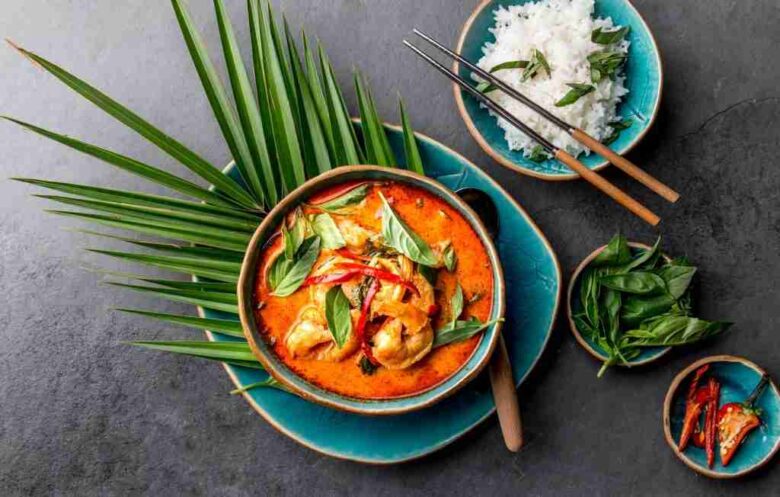
Asia, with its diverse culinary landscape, offers a sensory journey like no other. From the umami of Japanese sushi to the fiery spices of Thai cuisine, exploring Asia’s food scene is a vibrant adventure.
B. Europe: A Tapestry of Flavors
Europe boasts a rich culinary heritage, with each country contributing to a colorful tapestry of flavors. From the pasta of Italy to the pastries of France, European cuisine is a journey through history and tradition.
C. Africa: Unveiling Hidden Culinary Gems
Africa’s culinary scene often remains undiscovered. However, its diverse cuisines, from the tagines of Morocco to the stews of West Africa, reveal a wealth of flavors waiting to be explored.
D. The Americas: A Fusion of Cultures
The Americas, with its melting pot of cultures, offer a fusion of flavors. Whether indulging in tacos on the streets of Mexico or savoring ceviche in Peru, the Americas provide a diverse culinary experience.
IV. Must-Try Global Dishes
A. Sushi from Japan: A Symphony of Freshness
Japanese sushi, with its delicate balance of flavors and textures, is a culinary masterpiece. From traditional nigiri to creative rolls, sushi showcases the artistry of Japanese cuisine.
B. Pasta from Italy: A Journey Through Shapes and Sauces
Italian pasta, with its myriad shapes and accompanying sauces, is a culinary adventure in itself. From comforting classics like spaghetti Bolognese to regional specialties, Italian pasta is a journey through taste and tradition.
C. Tagine from Morocco: A Taste of North African Spice
The Moroccan tagine, slow-cooked and infused with aromatic spices, captures the essence of North African cuisine. It’s a dish that transports you to the bustling markets of Marrakech with every bite.
D. Tacos from Mexico: A Burst of Mexican Street Food
Mexican tacos, with their flavorful fillings and vibrant salsas, are a celebration of street food culture. Each bite is a burst of Mexican flavors that reflect the country’s rich culinary heritage.
V. Tips for Embarking on Your Culinary Adventure
A. Researching Authentic Local Spots
Before embarking on your culinary adventure, research local spots that offer an authentic experience. Avoid tourist traps and seek out hidden gems known for their genuine representation of local flavors.
B. Trying Street Food for an Unfiltered Experience
Street food is often the heart and soul of a destination’s culinary scene. Venture into local markets and street corners to taste unfiltered, authentic dishes that locals cherish.
C. Engaging with Locals for Culinary Insights
Connect with locals to gain valuable insights into the culinary culture of a region. Locals can recommend hidden gems, share stories behind dishes, and provide a more immersive experience.
VI. The Role of Social Media in Global Culinary Exploration
A. Instagram-Worthy Dishes and Their Stories
Social media platforms like Instagram offer a visual feast of global dishes. Explore hashtags and accounts dedicated to food, discovering not only visually appealing dishes but also the stories behind them.
B. Connecting with Food Bloggers and Influencers
Follow food bloggers and influencers who specialize in global cuisines. Their recommendations and experiences can serve as a guide, helping you navigate the vast world of culinary exploration.
VII. Challenges and Solutions in Global Dining
A. Language Barriers and Navigating Menus
Language barriers can pose challenges when navigating menus in foreign countries. Overcome this hurdle by using translation apps or learning basic food-related phrases in the local language.
B. Adapting to Local Dining Etiquette
Each culture has its own dining etiquette. Research and adapt to local customs to ensure a respectful and enjoyable dining experience. From chopstick etiquette in Asia to handwashing traditions in the Middle East, understanding local norms enhances your culinary journey.
VIII. Culinary Tourism: A Booming Industry
A. The Rise of Food and Travel Blogs
Food and travel blogs have played a pivotal role in the rise of culinary tourism. Bloggers share their experiences, recommendations, and insights, inspiring others to embark on their own gastronomic adventures.
B. Culinary Tours and Experiences
Culinary tours and experiences have gained popularity, offering curated journeys through the heart of food destinations. These tours provide a structured yet immersive way to explore the culinary landscape of a region.
IX. Bringing Global Flavors to Your Kitchen
A. Experimenting with Global Recipes at Home
Bring the flavors of your favorite global dishes to your kitchen by experimenting with recipes. Try your hand at cooking traditional dishes, incorporating local ingredients to recreate an authentic taste.
B. Sourcing Authentic Ingredients Locally
While traveling may not always be possible, sourcing authentic ingredients locally allows you to recreate global dishes at home. Explore international grocery stores or local markets to find unique ingredients that add an authentic touch to your culinary creations.
X. Conclusion
Embarking on a global culinary journey is a transformative experience that goes beyond the plate. It’s an exploration of cultures, traditions, and the universal language of food. As you venture into the world of global cuisines, remember that each dish tells a story, and each bite is a step into the heart of a destination.
A. Recap of the Richness of Global Culinary Exploration
In summary, the richness of global culinary exploration lies in its ability to connect us to the world. Through diverse flavors and unique stories, we discover the beauty of cultural exchange and the joy of shared experiences around the dining table.
B. Encouragement to Embark on a Culinary Journey
So, whether you’re a seasoned traveler or an armchair explorer, consider embarking on a culinary journey. Open your palate to the world, savor each moment, and let the flavors of global cuisines transport you to far-off lands.
FAQs (Frequently Asked Questions)
- Q: How can I prepare for a global culinary journey if I have dietary restrictions?
- A: Research restaurants and destinations that cater to your dietary needs. Communicate your restrictions with locals for a more enjoyable dining experience.
- Q: What is the best way to discover authentic street food in a foreign country?
- A: Venture into local markets and ask residents for recommendations. Street food vendors with long lines often indicate delicious and safe options.
- Q: How can I document my culinary journey for others to enjoy?
- A: Use social media to share photos and stories. Consider starting a food blog or vlog to document your experiences and provide helpful tips to fellow travelers.
- Q: Are culinary tours suitable for solo travelers?
- A: Yes, many culinary tours welcome solo travelers. It’s a fantastic way to meet like-minded food enthusiasts and explore a destination’s culinary scene in a group setting.
- Q: What should I do if I encounter language barriers in a restaurant abroad?
- A: Use translation apps, point to menu items, or learn basic food-related phrases in the local language. Locals appreciate the effort, and it enhances your dining experience.


